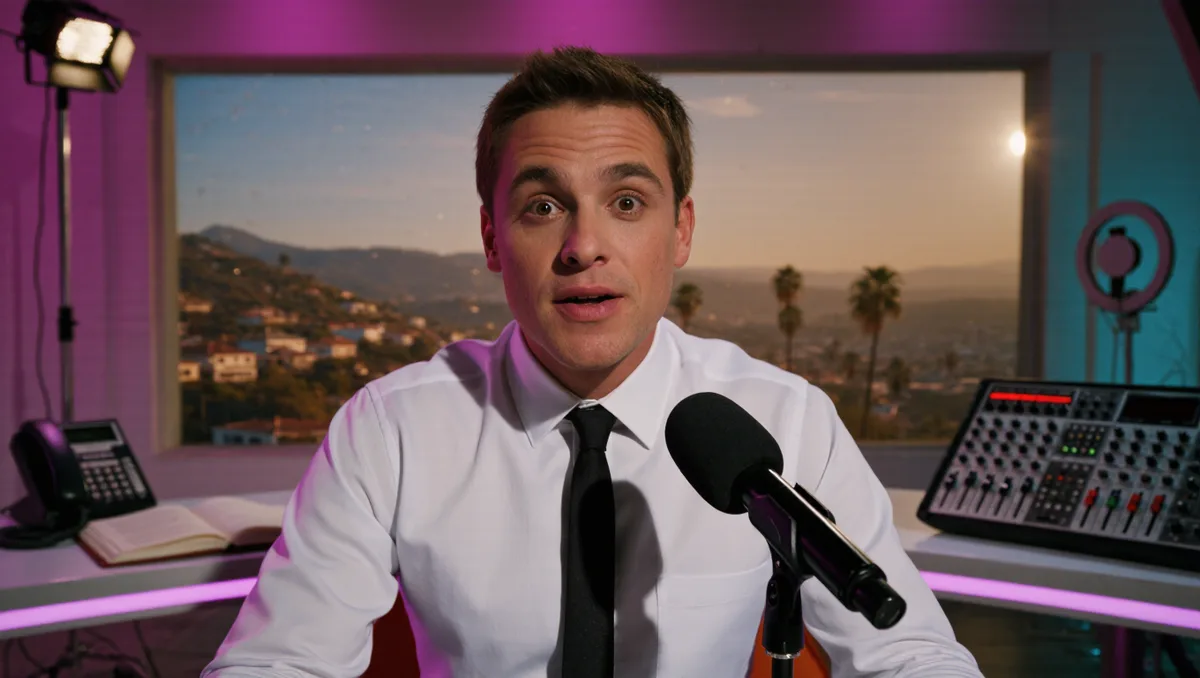
Gossip commentary shows run on blind items, unnamed sourcing, and a mix of record facts with rumor. Their ethical floor: paid mentions must be disclosed, claims must be provable, and opinion must stay labeled.
The recap genre turns each episode release into a week of coverage. Television Without Pity proved the format could carry a business, and streaming only changed its tempo.
A creator league runs content competitions in fixed teams across recurring events, with tracked scoring and seasons. Documented examples show pay-per-view sales, millions in charity totals, and why some series fold while others last.
The Gospel Music Association and Amazon Music are pairing creators with artists again. Here is how these campaigns work and why both sides keep signing up.
Gossip commentary shows run on blind items, unnamed sourcing, and a mix of record facts with rumor. Their ethical floor: paid mentions must be disclosed, claims must be provable, and opinion must stay labeled.
When a creator gets banned, the story does not end there. Here is how moderation decisions actually work, what a ban really does, and how appeals unfold.
Demonetization on YouTube follows a policy breach, not a takedown. Limited ads hit one video, Partner Program rules hit a channel, and fixed appeal windows apply.
When a creator gets banned, the story does not end there. Here is how moderation decisions actually work, what a ban really does, and how appeals unfold.
Gossip commentary shows run on blind items, unnamed sourcing, and a mix of record facts with rumor. Their ethical floor: paid mentions must be disclosed, claims must be provable, and opinion must stay labeled.
The recap genre turns each episode release into a week of coverage. Television Without Pity proved the format could carry a business, and streaming only changed its tempo.