Best platforms to sell online: a seller's comparison guide
Marketplaces bring the buyers and take a cut. Storefronts keep the margin and make you find the customers. Here is how the trade-off actually works.
Platforms reads the fine print at YouTube, TikTok, Twitch, Instagram, Substack and Patreon: revenue splits, payout thresholds, monetization eligibility and enforcement patterns. Each piece states the rule as written, then what it means for a channel's income. Useful to creators, managers and agencies planning around policy.
YouTube, TikTok, Twitch and Substack read through their terms: revenue splits, enforcement patterns, eligibility rules and what changes for creators.
Marketplaces bring the buyers and take a cut. Storefronts keep the margin and make you find the customers. Here is how the trade-off actually works.

Twitch's first rung of monetization asks for 50 followers and 500 broadcast minutes. The math is easy. The payout mechanics are the part worth reading.

YouTube pays creators 55 percent of long-form ad revenue and 45 percent of the Shorts pool, with eligibility set at 1,000 subscribers plus watch hours or Shorts views — splits the platform publishes and dates.
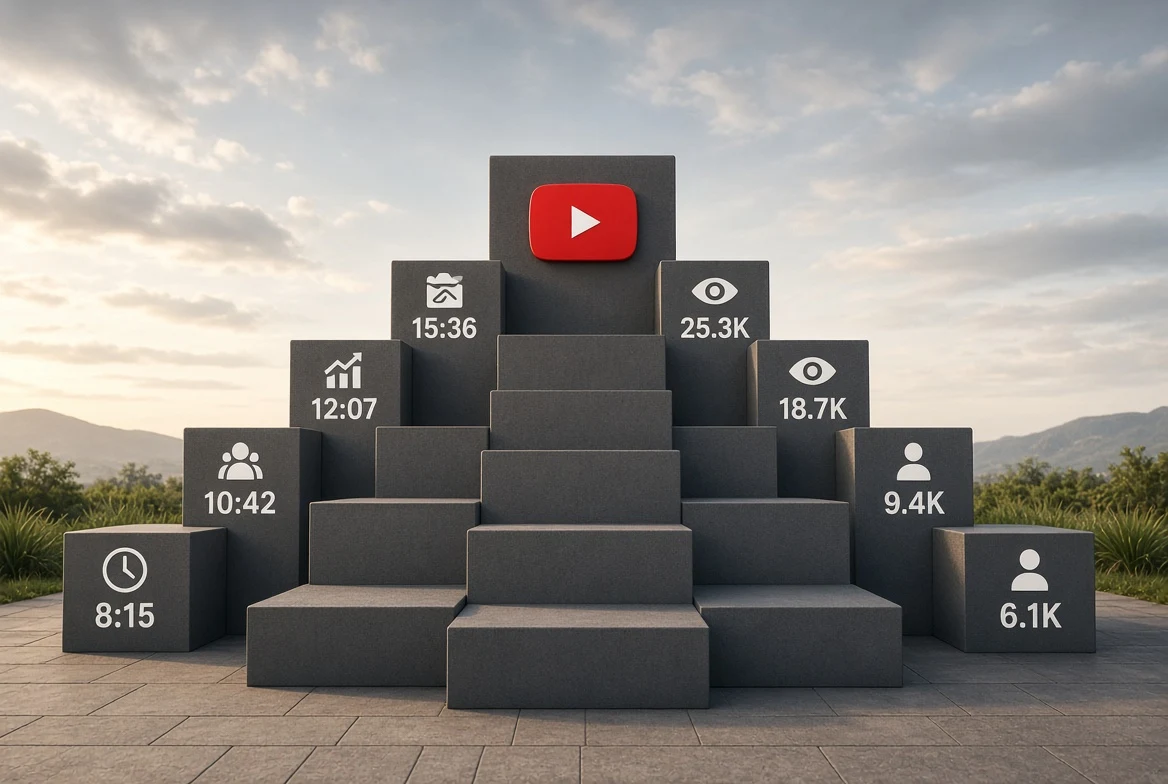
YouTube is doubling the watch-hour and Shorts-view bar for new monetization applicants starting February 1, 2027. Here's how the current rules work, what's changing, and who the update actually affects.
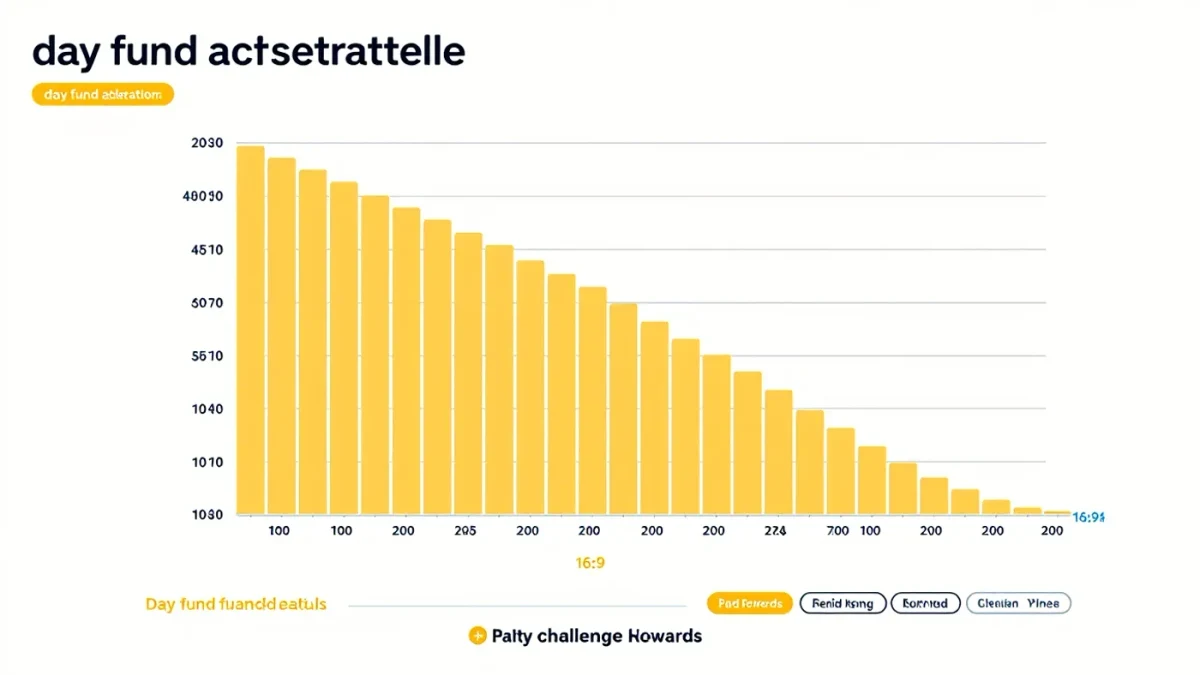
Spotlight paid from a fund that started at a million dollars a day in 2020 and was scaled back from 2022, with Snap deciding individual payouts through an undisclosed formula.
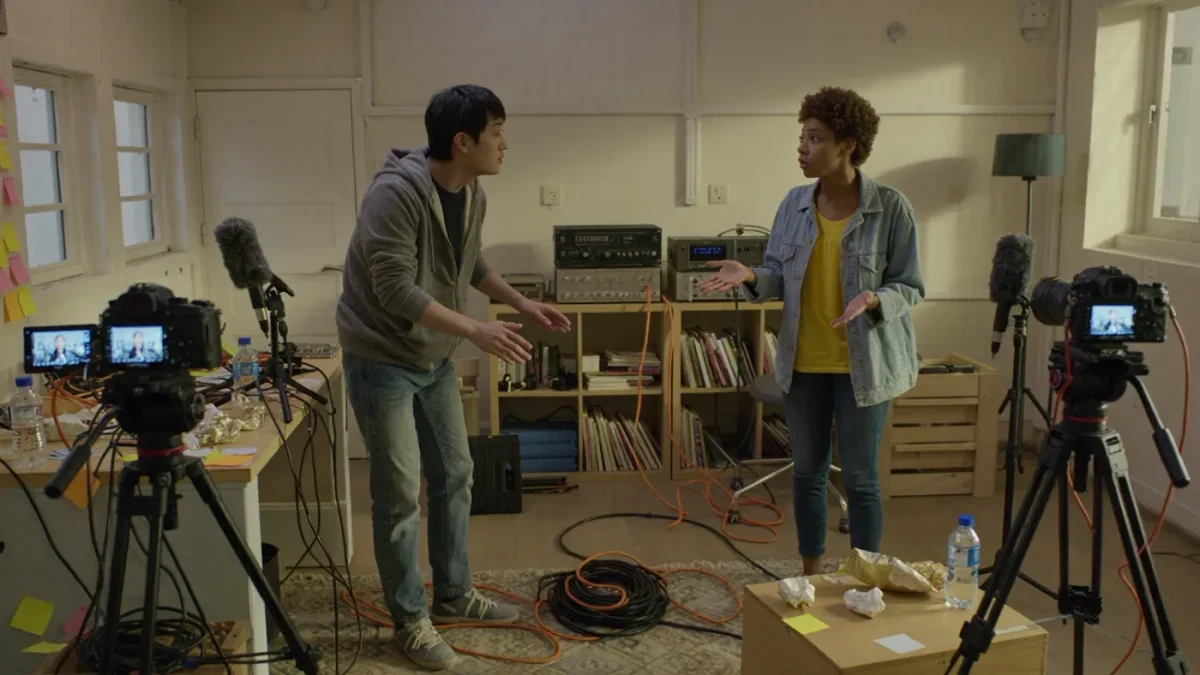
Kick's 95 percent sub split pays nearly double Twitch's default 50 percent, and the on-record signings of 2023 showed what that gap was worth to platforms and streamers.