A creator spotted "in the wild" — walking out of a café with a new drink, or photographed leaving a gym with a visible logo — is often not a sighting at all. It is a planned brand moment, arranged weeks in advance by a marketing team, a photo agency, and the creator's own management. The most important qualification: these placements are paid or coordinated, and if a post stems from them, disclosure rules apply.
The reason brands bother is simple reach. According to SocialPilot, nearly 68.7% of the global population uses social media, and people now discover more products through creators they follow than through traditional advertising. A candid-looking photo travels through feeds as social proof in a way a billboard cannot.
What does "influencers in the wild" actually mean?
The phrase describes a creator photographed in an everyday setting, as if a fan or photographer just happened to catch them. The setting looks unposed: a sidewalk, an airport, a smoothie bar. The product or venue is visible but not announced.
In practice, the "wild" is often a set. The creator may be paid a fee, given free products, or both. The photos may be taken by a hired photographer and distributed through a photo agency so that outlets and fan accounts pick them up. Nothing about the image is fake — the person, the outfit, and the product are real — but the moment is manufactured.
This is different from a standard sponsored post, where the creator clearly labels the content. The wild placement works by looking like ordinary life, which is exactly why it raises disclosure questions when it moves back onto the creator's own feed.
Why do brands want staged sightings instead of ads?
Because the format borrows the credibility of everyday life. An ad says "buy this." A photo of a creator carrying a product says "this is what people like her already do." Readers fill in the endorsement themselves, which makes it feel more like a recommendation than a pitch.
The broader economics explain the spend. Influencer Marketing Hub, in its definition of the modern influencer, notes the industry was valued at $24 billion by the end of 2024, with 85% of its survey respondents believing in the effectiveness of influencer marketing. Brands are not staging sightings for fun; they are working a channel they believe outperforms older formats.
There is also a scarcity effect. Traditional ad space is obviously ad space. A real-world moment feels like a leak of genuine behavior, and audiences pay more attention to what looks unplanned.
How is a staged sighting actually arranged?
The process usually runs through the creator's side first. A brand or its agency approaches the creator's manager or agent with a brief: the product, the setting, the timing, and whether the creator will post about it themselves. Our guide to what a brand deal actually pays covers how that fee gets set.
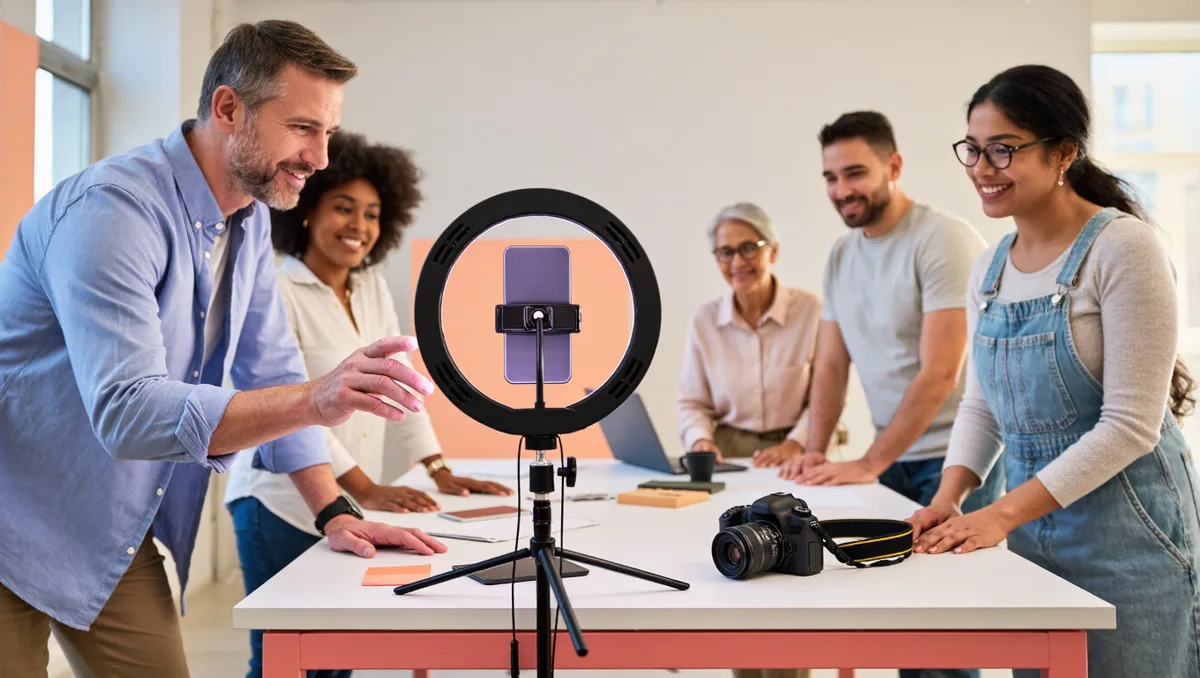
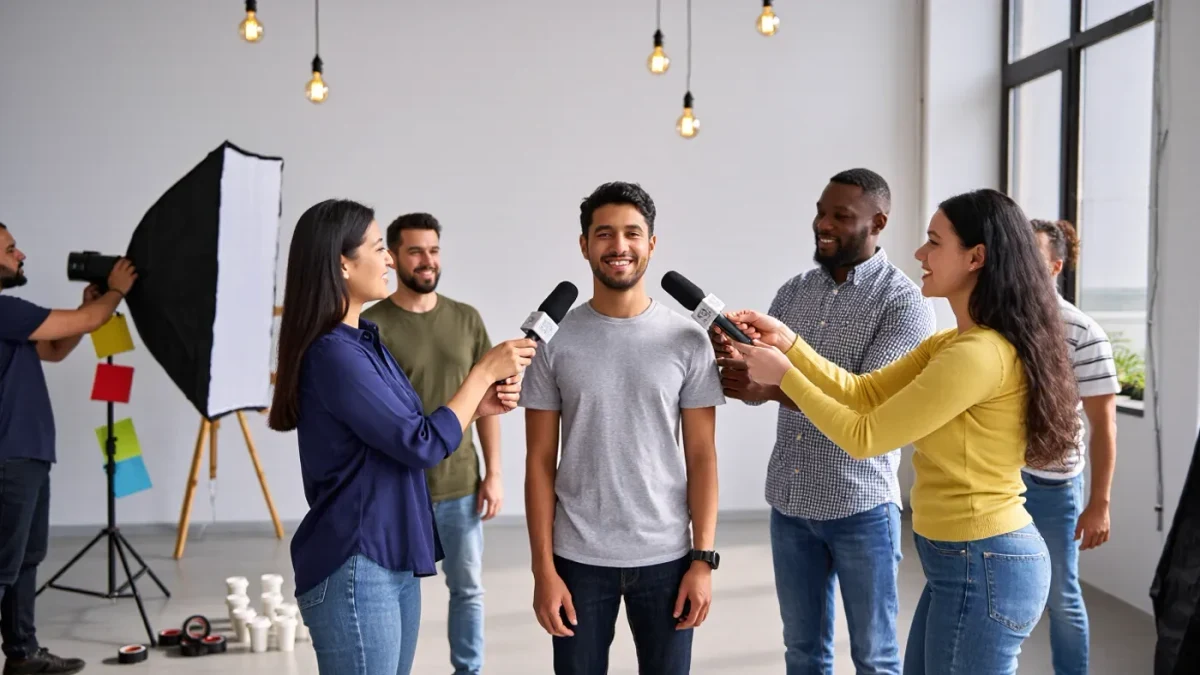
Then the logistics happen. A location is chosen where the creator will plausibly be. A photographer is booked, or the brand arranges for images to reach a photo agency that sells celebrity candids. Sometimes the creator simply posts their own photos from the outing, tagged and timed to the campaign.
A few common shapes this takes:
- The product drop walk: the creator is photographed using or carrying a new product on release day.
- The venue moment: a restaurant, gym, or store hosts the creator, knowing the images will circulate.
- The event spill-over: after a branded event, creators are photographed leaving, extending the campaign's life.
Brand events themselves have become the anchor for many of these moments. Sports and entertainment venues now double as ad space, a shift we covered in Influencers at the US Open: How Sports Events Became Ad Space. We covered a connected angle in Influencers at the US Open: How Sports Events Became Ad Space.
What do the biggest creators have to do with it?
The top tier of creators has blurred into traditional celebrity, which makes their real-world appearances valuable in the same way a movie star's is. The Hollywood Reporter, in its second annual Creator A-List, describes the creator economy as one of the entertainment industry's most powerful engines, fueling studio talent pipelines and driving marketing strategies — with digital fame increasingly indistinguishable from traditional celebrity.
That list points to creators like Alix Earle, who counts 7.5 million TikTok followers and has moved from viral videos into a podcast, a Super Bowl commercial, and mainstream TV. Rolling Stone's 2025 ranking of the most influential creators, compiled with data from the analytics company CreatorIQ, likewise places Earle among the names shaping culture, noting her investor role in the canned cocktail brand SipMargs. When a creator at that level appears somewhere in public, the appearance itself is media.
At the very top, the line between creator and celebrity disappears entirely. SocialPilot's ranking puts footballer Cristiano Ronaldo, with endorsement deals including Nike and Tag Heuer, at an average of $3.43 million per sponsored post. Few brands can buy that, but many can buy the smaller, staged sidewalk moment — which is why the format is common at mid-tier levels and rare at the top.
What this means for disclosure and trust
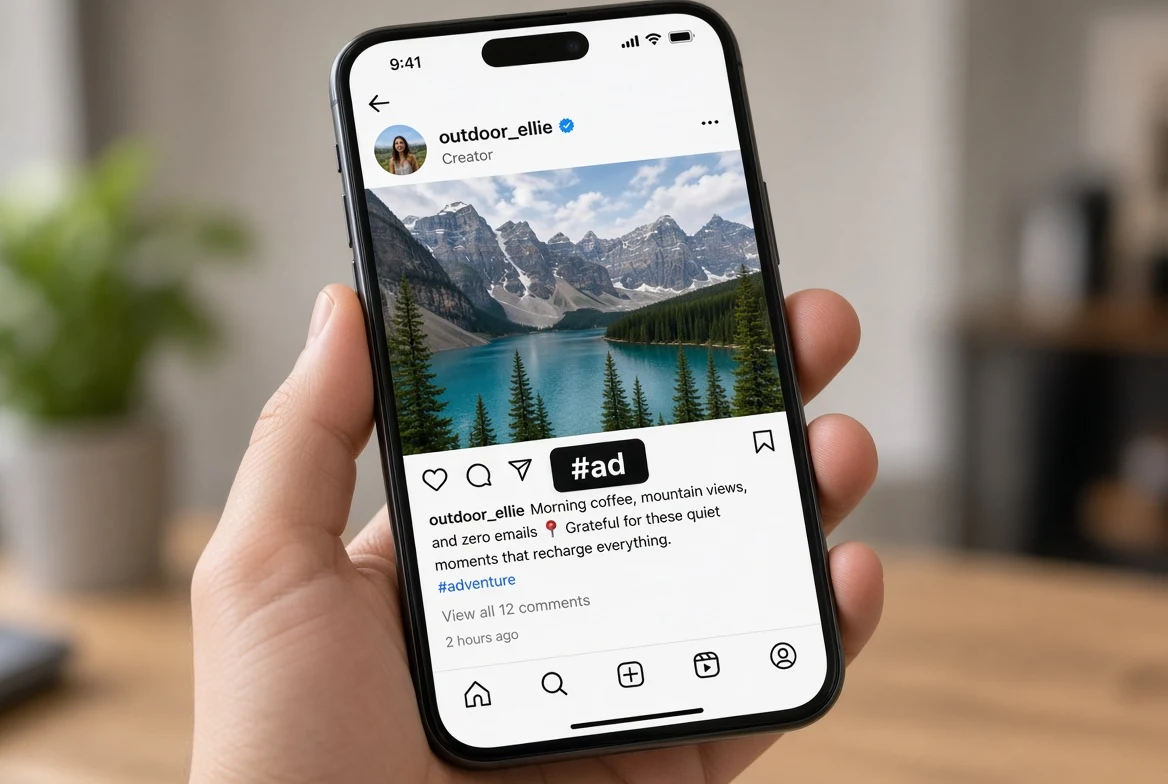
Here is the catch readers should understand: a staged sighting that a creator then posts about is still commercial content. In the United States, the FTC requires a clear and conspicuous disclosure of a material connection between a creator and a brand — our explainer on what the FTC actually requires influencers to disclose breaks down the specifics. A hashtag buried in a wall of text does not count. For related coverage, see What the FTC actually requires influencers to disclose in sponsored posts.
The third-party photos are murkier. If a photographer and agency distribute images without any creator post, there may be no disclosure obligation on the creator at all — the brand is buying visibility, not an endorsement. That gap is part of the design. The audience sees a famous person with a product and draws its own conclusion, with no label anywhere.
Our analysis: the format works precisely because it sits between advertising and ordinary life, and that position is also its weak point. Savvy audiences increasingly assume any polished "candid" is planned. The brands that get lasting value are the ones whose product genuinely fits the creator's routine — the staged moment only amplifies a fit that already exists.
The takeaway
Influencers in the wild are a manufactured version of word of mouth: real people, real products, arranged moments. The mechanics are a brief, a fee or free product, a photographer, and a distribution push. For readers, the practical step is to treat a too-perfect sighting the way you would treat an ad — notice the product, then decide whether the endorsement means anything. For creators, the line to watch is disclosure: if you were paid or gifted and you post about it, say so plainly, every time.